
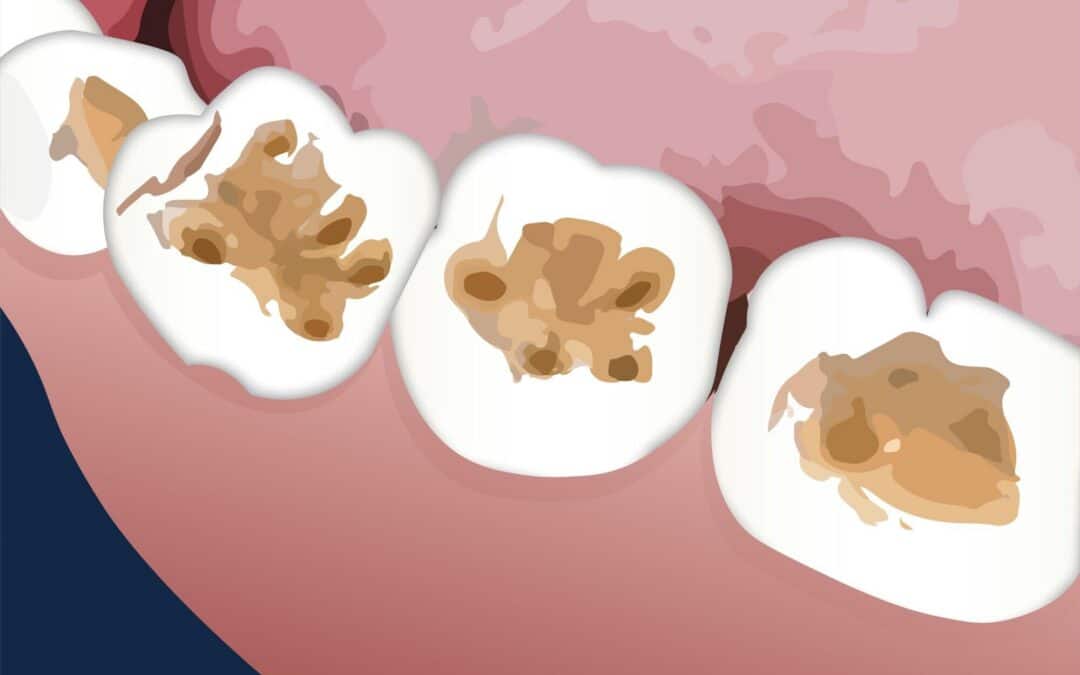
Tooth enamel does not grow back. Once acid dissolves it, the loss is permanent, and tooth enamel repair becomes a matter of protecting what remains rather than rebuilding what is gone. Recognizing the daily habits behind that damage is your strongest defense.
Age makes the pattern clear. A 2025 study in Frontiers in Oral Health found that 64% of adults aged 18 to 30 had no measurable tooth wear, compared with only 22% of adults aged 60 and older. Wear accumulates quietly across decades, long before anyone feels a twinge.
What Causes Tooth Enamel to Wear Away?
Enamel is the hardest substance in the human body, and acid is its one real weakness. When the pH in your mouth drops, acid pulls calcium and phosphate from the tooth surface in a process called enamel demineralization. Saliva reverses part of that loss, but repeated exposure outpaces the repair.
That imbalance separates erosion from decay. Cavities are localized holes created by bacteria feeding on sugar, while acid erosion on teeth thins the entire surface at once. The process moves slowly enough that most people notice nothing until the enamel is measurably thinner.
1. Sipping Acidic Drinks Throughout the Day
Soda, sports drinks, fruit juice, wine, and flavored sparkling water all have pH values below the threshold at which enamel begins to dissolve. The harm comes less from the drink than from the pace, since nursing one over an hour keeps your teeth in acid the entire time.
Finish acidic drinks in one sitting, use a straw, and rinse with water afterward. Saliva needs uninterrupted stretches to neutralize acid and redeposit minerals.
2. Brushing Immediately After Acidic Foods
Enamel softens briefly after acid exposure, and scrubbing it in that state removes more minerals than it protects. The American Dental Association recommends waiting an hour before brushing after acidic foods or drinks.
Rinse with water, drink milk, or eat a piece of cheese instead. Calcium-rich foods help neutralize acid while the enamel re-hardens.
3. Grazing Between Meals
Every snack restarts the acid cycle. Someone eating six small times a day exposes their enamel to far more acid attacks than someone eating three meals, even when the total sugar is identical.
Cluster snacks with meals rather than spreading them across the afternoon. Sugar-free gum afterward stimulates saliva flow and shortens each attack.
4. Untreated Acid Reflux
Stomach acid is far stronger than anything in your diet, and gastroesophageal reflux disease pushes it into the mouth, frequently during sleep. The wear shows up first on the inner surfaces of the upper front teeth, where nobody thinks to look.
Reflux that reaches the mouth is a medical problem as much as a dental one, so treating the underlying condition matters as much as anything a dentist does afterward.
5. Chronic Dry Mouth
Saliva is your enamel’s repair system, buffering acid and carrying calcium and phosphate back to the tooth surface. Hundreds of common medications reduce saliva flow, including:
- Antihistamines
- Antidepressants
- Blood pressure drugs
Less saliva means acid lingers and demineralization goes unchecked. Sipping water throughout the day and listing all your medications to your dentist make daily enamel wear far easier to control.
How Can You Tell if You Need Tooth Enamel Repair?
Erosion announces itself long before it hurts. Five signs are worth a call to your dentist:
- Sharp twinges from hot, cold, or sweet foods
- Yellowing as darker dentin shows through thinning enamel
- Front tooth edges that look transparent or rounded
- Small cupped dents on the chewing surfaces of back teeth
- Rough patches, hairline cracks, or chipped edges
Any of these warrants an evaluation. Early erosion responds to prevention, while advanced wear usually requires restorative work.
When to See a Dentist in Lexington, KY
Fluoride toothpaste and prescription-strength pastes aimed at remineralizing weak teeth can harden vulnerable spots, but nothing rebuilds enamel that is already gone. The timing of that first visit therefore matters more than the treatment you eventually choose.
An exam identifies whether the cause is dietary acid, reflux, grinding, or abrasive brushing, since each calls for a different fix. Fluoride varnish and sealants protect exposed areas early on, and porcelain veneers or dental crowns restore shape and function once teeth have lost significant structure.
Frequently Asked Questions
Does Enamel Erosion Show Up on Dental X-Rays?
Not reliably in the early stages. X-rays capture density changes well, making them effective for detecting cavities, but generalized surface thinning often appears normal on film until it becomes severe.
Dentists detect erosion visually by comparing the appearance and thickness of tooth surfaces across successive visits. Consistent checkups with the same practice therefore carry more diagnostic value than one-off appointments.
Can Children Develop Enamel Erosion?
Yes, and it often progresses faster. Primary teeth have thinner enamel than permanent teeth, so identical acid exposure does more damage proportionally.
Juice pouches, sports drinks, and sour candies are the usual causes. Diluting juice, serving acidic drinks with meals, and switching to water in between are effective steps toward preventing tooth sensitivity later.
Does Teeth Whitening Damage Weakened Enamel?
Professional whitening does not strip enamel, but it can cause pronounced sensitivity when enamel is thin and dentin is exposed. A dentist measures the extent of the wear first and may recommend strengthening treatments beforehand.
Whitening also does little for discoloration caused by exposed dentin rather than surface staining.
How Often Should Enamel Be Checked?
Every six months for most adults, and more often for anyone managing:
- Reflux
- Dry mouth
- A history of erosion
Wear is easiest to track when the same clinician compares your teeth against earlier records and photographs. Cleanings at those visits also remove plaque, which produces its own acid between appointments.
Protect Your Enamel to Ensure It Lasts
Enamel loss is quiet, gradual, and permanent, which makes early attention your only real advantage. The habits above are ordinary enough to overlook, and that is exactly why they cause so much damage.
At Lange, Rider & Reynolds, care is built around your individual risk factors rather than a standard checklist. If you have noticed sensitivity, rough edges, or color changes, schedule an evaluation with your dentist in Lexington, KY, for tooth enamel repair.
Recent Comments